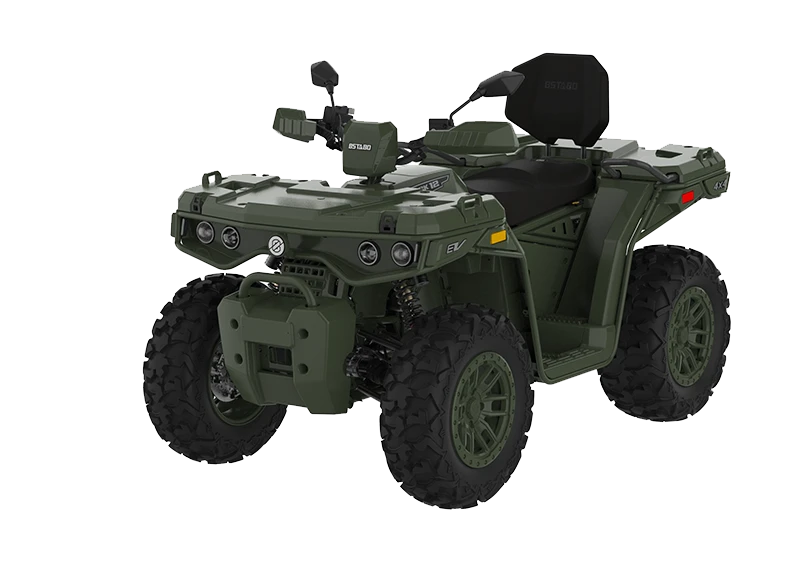
Charging planning starts with the energy you need to replace and the power the complete charging setup can actually deliver. The vehicle, charger and electrical installation determine the practical result.
Understand kW and kWh
Kilowatt-hours, or kWh, measure energy. Kilowatts, or kW, measure power: how quickly energy is transferred. A larger battery does not automatically charge faster. The ATV's peak driving power also tells you nothing about its charger rating.
Ask for usable battery capacity, supplied charger, permitted connection and charging power for the exact version offered. Connector shape alone is insufficient. For example, a Type 2 connection does not mean the vehicle can accept every charging station's full output.
Estimate charging time
The basic calculation is energy to replace in kWh ÷ average charging power reaching the battery in kW = hours. Temperature, power limits, losses and tapering near the end of a session can change the result.
For a fictional 10 kWh usable battery, charging from 30% to 80% requires approximately 5 kWh of stored energy. At an average 2 kW reaching the battery, that takes about 2.5 hours. These are not ROCK EV specifications or a charging-time promise. Power measured at a socket is also different from power actually reaching the battery.
Calculate the cost using metered electricity
Multiply electricity delivered by the charging point by your own unit tariff. This includes charging losses in the measurement. Add any session or subscription charges separately.
| Metered electricity per session | 6 kWh |
| Assumed tariff | €0.30/kWh |
| Cost per session | €1.80 |
| 20 identical sessions | €36.00 |
On-site solar generation may suit daytime charging, but is not automatically free energy. Installation costs and alternative uses for the generated electricity belong in the business calculation.
Make charging part of the work process
- Have the electrical installation assessed for the intended charger and other simultaneous loads.
- Use approved charging equipment; have unfamiliar adapters or changes checked first.
- Choose a suitable location and keep cables out of vehicle routes.
- Assign responsibility for connecting after work and checking charge before the next shift.
- Follow the vehicle instructions for temperature, moisture, storage and charge level.
Verify the charging window
For a week, record when work ends, when the next shift starts and how much energy is replaced. Combine this with the real-world range guide rather than choosing solely by battery size.
Ask ECX MOTO for the charging information of the offered BSTABO ROCK EV and a quotation covering the charger and accessories. Its supplied documentation determines the final connection and procedure.
Discuss your situation
Call +31 6 1942 9777 or message us on WhatsApp. Visits to Kuiltjesweg 35 in Beekbergen are by appointment.
About this article: practical considerations from ECX MOTO. Product figures are taken from the supplied BSTABO material; the exact specification and suitability are confirmed when you enquire.